
What Your Scalp Can Tell You About Your Hair Health

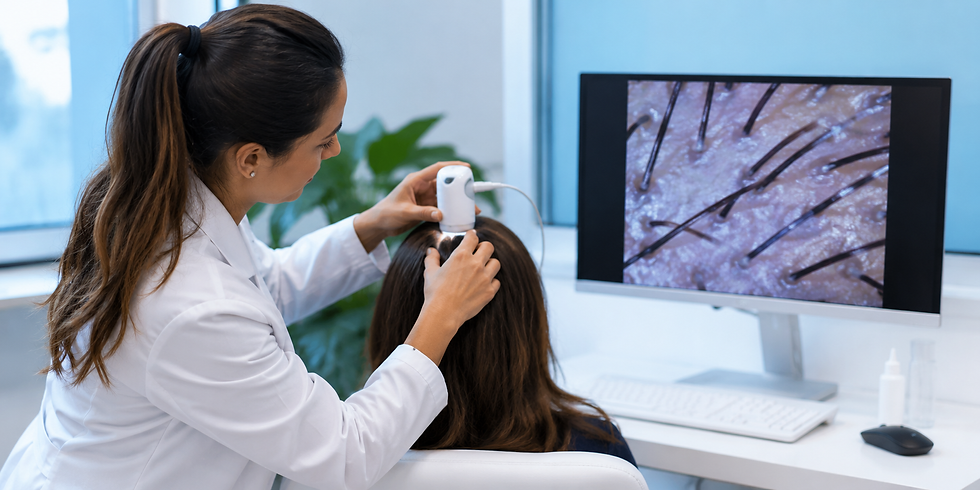
Healthy Hair Starts Below the Surface
When people think about improving their hair, they often focus on the hair itself.
They change shampoos.
They try supplements.
They invest in serums and treatments.
But one of the most important parts of healthy hair is often overlooked:
Your scalp.
Your scalp is home to thousands of hair follicles. Just like healthy soil supports healthy plants, a healthy scalp creates the environment hair follicles need to grow and function at their best.
If the scalp becomes irritated, inflamed, or unhealthy, it may affect how well those follicles perform over time.
Why Your Scalp Matters
Every hair begins beneath the skin.
Inside each follicle, cells are constantly working to produce new hair. These follicles rely on a healthy scalp environment to support normal growth cycles.
When the scalp is balanced, follicles can continue producing healthy hair through each stage of the growth cycle.
When the scalp is unhealthy, the follicles may face additional challenges that can contribute to changes in hair quality, comfort, or density.
That's why evaluating the scalp is an important part of understanding hair concerns—not just the hair itself.
Signs Your Scalp May Be Trying to Tell You Something
Your scalp often gives clues before noticeable changes occur in your hair.
Some common signs include:
Persistent itching
Flaking or dandruff
Excess oiliness
Dryness or tightness
Redness
Tenderness
Small bumps or irritation
A feeling that your scalp is unusually sensitive
While these symptoms don't always indicate hair loss, they shouldn't be ignored if they continue or worsen.
Common Scalp Conditions
Not every scalp concern is the same.
Understanding the difference can help you choose the right next step.
Dry Scalp
A dry scalp may feel tight, flaky, or itchy.
Dryness can occur due to weather changes, harsh hair products, or naturally lower oil production.
Small white flakes are often associated with dry skin rather than excessive oil.
Oily Scalp
Some people naturally produce more sebum, the scalp's protective oil.
An oily scalp may cause:
Hair that looks greasy soon after washing
Product buildup
Larger flakes
A heavy feeling around the roots
Keeping the scalp clean without over-washing is often part of maintaining balance.
Dandruff
Dandruff is a common scalp condition that can cause visible flaking and itching.
Although often mistaken for dry scalp, dandruff has different underlying causes and may require different treatment approaches.
Scalp Inflammation
Inflammation isn't always easy to see.
Sometimes it presents as:
Redness
Tenderness
Burning
Ongoing irritation
Because inflammation can affect the environment around hair follicles, identifying the underlying cause is important.
Can an Unhealthy Scalp Cause Hair Loss?
The relationship between scalp health and hair loss is complex.
Not every scalp condition leads to hair thinning.
However, chronic inflammation, certain scalp disorders, and ongoing irritation can interfere with the normal environment that supports healthy hair growth.
This is why a comprehensive evaluation often looks at both the scalp and the hair follicles together rather than focusing on one alone.
What Happens During a Professional Scalp Assessment?
A professional Hair & Scalp Analysis goes beyond simply looking at the hair.
Depending on the individual's concerns, an assessment may evaluate:
Scalp condition
Hair density
Follicle health
Signs of inflammation
Hair shaft variation
Areas of thinning
The timeline of changes
Medical and family history
Looking at the complete picture helps identify patterns that may not be obvious from the hair alone.
Healthy Scalp Habits You Can Practice at Home
While every scalp is different, these habits support overall scalp health:
Wash according to your scalp's needs.
Some people benefit from more frequent washing, while others may need less.
Be gentle.
Avoid aggressively scratching or scrubbing your scalp.
Gentle cleansing is usually more effective than excessive friction.
Use products appropriate for your scalp type.
Choosing products that match your individual needs may help maintain comfort and balance.
Protect your scalp from excessive sun exposure.
Just like the rest of your skin, your scalp can be affected by prolonged UV exposure.
Wearing a hat or using sun protection for exposed areas may help when spending extended time outdoors.
Pay attention to changes.
If itching, redness, excessive flaking, or scalp discomfort persists, it may be time to seek professional advice rather than continuing to switch products.
When Should You Have Your Scalp Evaluated?
Consider scheduling a professional assessment if you notice:
Ongoing scalp irritation
Persistent itching
Excessive flaking
Increasing hair thinning
A widening part
Changes in hair density
Hair loss that continues without a clear explanation
The earlier changes are evaluated, the easier it is to understand what may be contributing to them.
Final Thoughts
Beautiful hair begins with a healthy foundation.
While shampoos, conditioners, and styling products all have their place, they can't replace the importance of a healthy scalp.
Understanding what's happening beneath the surface often provides valuable clues about why your hair is changing.
If you've been focused only on the strands you can see, it may be time to take a closer look at the scalp they're growing from.


Comments