
Dry Scalp or Dandruff? How to Tell the Difference


When temperatures drop and indoor heating increases, many patients begin noticing more itching, tightness, or flakes on their scalp.
It is easy to assume that every flaky scalp is simply dry. However, dryness and dandruff are not always the same, and using the wrong type of product may leave the underlying concern unaddressed.
Understanding what you are seeing is the first step toward supporting a healthier scalp environment.
What Does a Dry Scalp Look and Feel Like?
A dry scalp develops when the skin lacks sufficient moisture or when its protective barrier becomes disrupted.
Common signs may include:
Small, dry flakes
A tight or uncomfortable feeling
Mild itching
Dryness elsewhere on the body
Symptoms that become more noticeable during colder weather
Hot showers, dry indoor air, harsh cleansing products, frequent heat styling, and sensitivity to certain ingredients may contribute to scalp dryness.
Some patients also experience irritation or contact dermatitis after introducing a new shampoo, oil, fragrance, hair colour, or styling product. In these cases, the scalp may feel itchy, tender, or irritated rather than simply dry.
What Is Dandruff?
Dandruff is a common scalp condition that causes visible flaking and may also cause itching. It is often considered a mild form of seborrheic dermatitis.
Unlike simple dryness, dandruff can be connected to oil production, the activity of naturally occurring yeast on the skin, individual sensitivity, and inflammation.
Common signs may include:
White, grey, or yellowish flakes
Flakes that appear larger or more noticeable
An oily or greasy scalp
Persistent itching
Redness or irritation
Scaling around the hairline, eyebrows, ears, or sides of the nose
Dandruff is not caused by poor hygiene, and it is not contagious. However, infrequent or ineffective cleansing may allow oil, skin cells, sweat, and product residue to accumulate, making flaking more noticeable.
Dry Scalp and Dandruff Can Overlap
The distinction is not always obvious.
A patient may have an oily scalp that also feels dry or tight. Dandruff and seborrheic dermatitis can produce flakes that appear dry, while irritation from a harsh dandruff product may further disrupt the scalp barrier.
Other conditions can also resemble dryness or dandruff, including:
Scalp psoriasis
Eczema
Contact dermatitis
Product buildup
Folliculitis
Certain fungal infections
Inflammatory scalp conditions
This is why the appearance of flakes alone may not be enough to identify what is happening.
Does Cold Weather Cause Dandruff?
Cold weather does not automatically cause dandruff, but seasonal changes may influence the scalp.
During the colder months, patients may experience:
Lower humidity
Increased indoor heating
Hotter showers
More frequent use of hats or head coverings
Changes in cleansing routines
Increased scalp dryness or irritation
Cold weather, stress, and changes in overall health may also contribute to seborrheic dermatitis flare-ups in some individuals.
If your scalp symptoms return at the same time each year, it may be helpful to track the timing, your hair-care routine, and any product changes.
Should You Apply Oil to a Flaky Scalp?
Scalp oil is often promoted as a universal solution for flakes, but it may not be appropriate for every condition.
An oil may temporarily soften dry scales, but it does not necessarily address why the scaling developed. Heavy oils can also contribute to buildup, particularly when they are layered onto the scalp without regular cleansing.
If the concern is related to dandruff, seborrheic dermatitis, irritation, psoriasis, or another scalp condition, repeatedly adding oil may not provide the expected result.
The condition of the scalp should be understood before choosing products based solely on whether the flakes appear dry.
Gentle Scalp Care During Colder Months
A few routine adjustments may help reduce unnecessary dryness and buildup:
Use Comfortable Water Temperatures
Very hot water can leave the scalp feeling dry or irritated. Use warm water and rinse thoroughly.
Cleanse the Scalp Consistently
Choose a washing schedule based on your scalp, hair type, activity level, and product use. Shampoo should be applied primarily to the scalp rather than only to the hair.
Rinse Products Thoroughly
Shampoo, conditioner, and styling products left behind may contribute to residue and irritation.
Be Cautious With Dry Shampoo
Dry shampoo can absorb oil between washes, but it does not cleanse the scalp. Repeated use without washing with shampoo and water may lead to additional buildup.
Introduce New Products Individually
Adding several new products at once can make it difficult to identify the cause if itching, redness, or flaking develops.
When Should Your Scalp Be Assessed?
Consider seeking a closer assessment when:
Flaking continues despite changing your routine
Itching is persistent or becoming more intense
The scalp is red, tender, inflamed, or painful
Scales are thick, greasy, or firmly attached
You notice sores, crusting, or bleeding
Flaking appears alongside increased shedding
Symptoms extend beyond the scalp
You are unsure which products are appropriate
Persistent flakes are not always a sign that your scalp needs more moisture. Sometimes the concern involves oil regulation, inflammation, buildup, sensitivity, or another scalp condition requiring a different approach.

Look Beyond the Flakes
Dry scalp and dandruff can appear similar, but the right approach depends on what is happening beneath the visible symptoms.
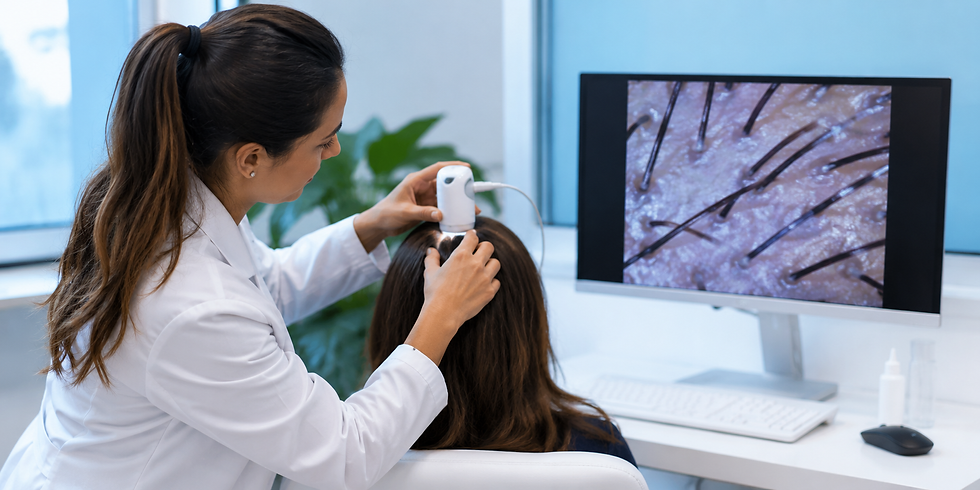
At Restore Hair Loss & Scalp Clinic, a detailed Hair and Scalp Analysis allows us to examine the scalp more closely, review your symptoms and routine, and identify factors that may be affecting the scalp environment.
Restore Hair Loss & Scalp Clinic is located at 10014 102 Avenue, Unit 102, Grande Prairie, Alberta. Virtual support is also available for patients across Canada.
To learn more, visit restorehairlossclinic.com or get your FREE assessment below.

Comments